


A Beginner's Guide to Graffiti Caps
The cap on the top of your can matters almost as much as the paint inside it. Put a different cap on the same can and you'll get a completely different line, from a crisp outline to a big soft fill. If you're new to spray paint, swapping caps is the cheapest way to get more control, and this guide covers the three types you'll use most.

Skinny Caps: Outlines, Details and Tags
Skinny caps give you a thin, controlled line. They're what you reach for when you're doing outlines, cutting in clean edges, adding highlights and details, or practising tags. Hold the can close to the wall and keep your hand moving at an even speed.
Good places to start are the New York Thin, the Lego Thin and the Banana Skinny. For an even finer line, try the Level 1 Ultra Skinny or a needle cap such as the Hardcore Needle Cap or Ultra Liner.
Fat Caps: Fills and Big Coverage
Fat caps spray a much wider pattern, so they're made for filling in letters, painting backgrounds and covering large areas quickly. They empty a can faster, so keep the can further from the wall and keep moving to avoid drips.
Try the Pink Dot Fat Cap, the Hardcore Fat Cap or, for the widest spray, the Super Fat Yellow Cap.
 Skinny: Lego thin cap
 Fat: white pink dot cap
Standard Caps: The All-Rounder
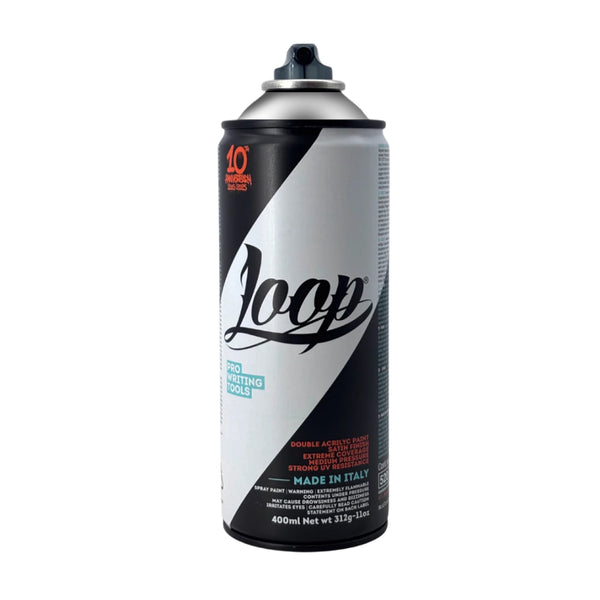
Standard caps sit in the middle. They're usually what comes on the can, and they're fine for general painting when you don't need a particularly thin or wide line. It's worth keeping spares, like the Loop Standard Cap or the compact MTN Pocket Cap, so a blocked cap doesn't end your session.
Pressure Changes Everything
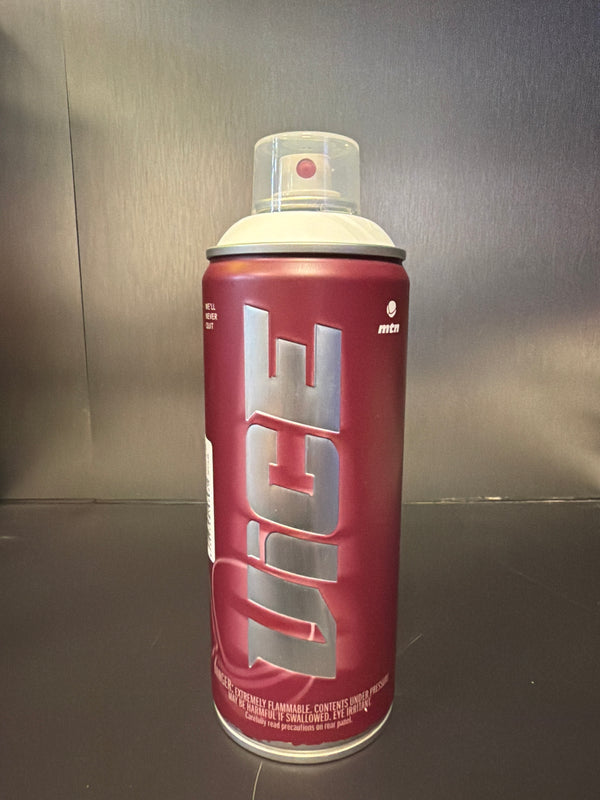
The same cap behaves differently depending on the can. On a low-pressure can like MTN 94, paint comes out slower, which gives you more control and makes skinny caps easier to handle. On a high-pressure can like MTN Hardcore, paint comes out faster and covers more, so fat caps really open up. Our guide to high vs low pressure spray paint goes into more detail.
Will a Cap Fit My Can?
Most graffiti cans have a hole in the valve, and the cap has a small stem that pushes into it. Some DIY and hardware cans work the other way round, with the stem on the can, and those need a different type of cap. If you're not sure whether a cap will fit your can, bring it into the shop or message us and we'll check.
Stop Your Caps Clogging
When you finish with a can, turn it upside down and spray for a couple of seconds until only clear gas comes out. That clears the paint out of the cap so it doesn't dry inside. It's also worth keeping a few spares in your bag, because even well-looked-after caps get blocked eventually.
Where to Start
If you're just getting into spray paint, a pack of skinny caps for outlines and a pack of fat caps for fills will cover most of what you need, alongside the standard caps on your cans. You can browse the full range in our Caps & Nozzles collection or pick them up at our shop at 389 New Cross Road. If you'd rather learn with someone showing you, our graffiti workshops cover caps and can control from the start.